Passport Verification Using NID Fingerprints
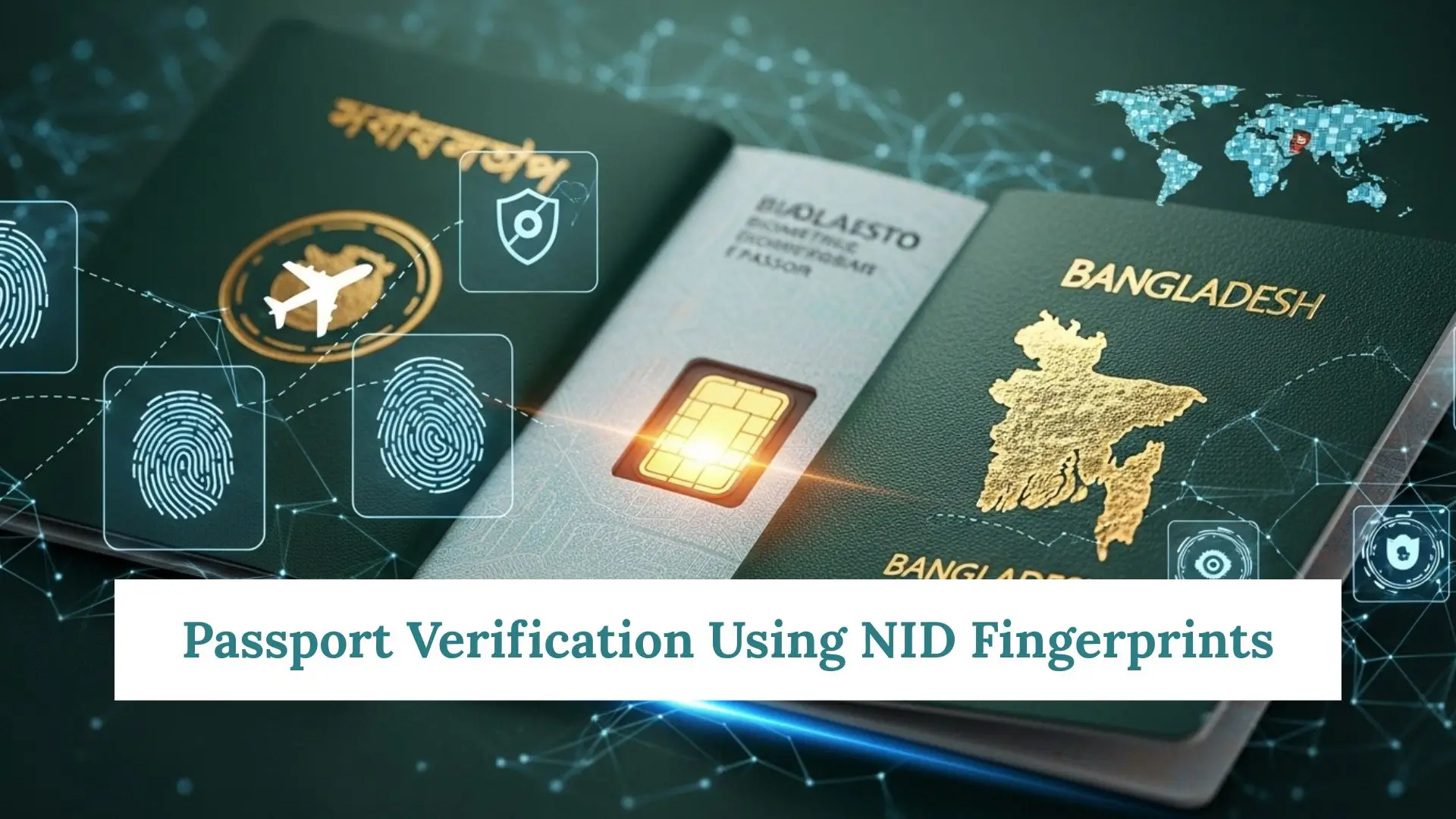

Passport Verification Using NID Fingerprints. Bangladesh is moving toward a more advanced and secure passport verification system by linking the biometric data of the National Identity Card (NID) directly with passport applications. This new digital verification method aims to make the passport process faster, safer, and more reliable, especially now that traditional police verification has largely been removed.
With this upgrade, the government wants to eliminate fake identities, improve international trust, and strengthen the overall security of Bangladeshi passports.
Why the New Verification System Is Important
Earlier, passport verification depended heavily on police checks and manual investigation. This method was slow, inconvenient, and often inconsistent.
Now, with police verification no longer mandatory, Bangladesh needed a stronger and more reliable identity confirmation system. The new NID-linked biometric system fills this gap by verifying identity using the applicant’s fingerprints and facial photo.
How the New Passport Verification System Works
The proposed system has multiple layers of digital verification, making it far more secure than traditional methods.
1. NID Image Display for Initial Screening
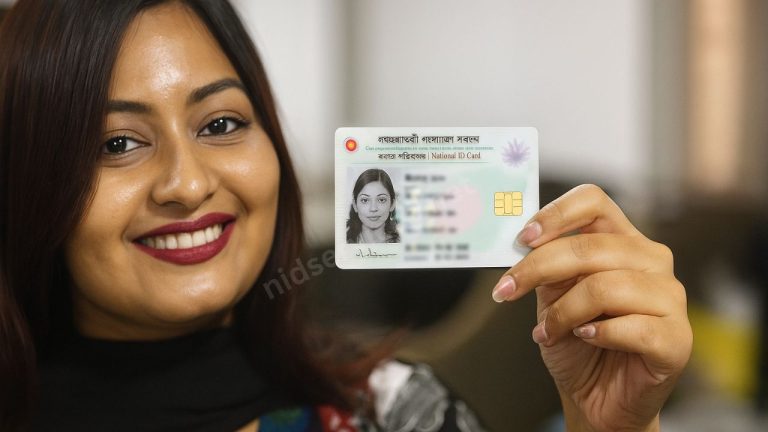
When applying for a new passport or renewing an old one, the applicant’s NID photo automatically appears on the verification screen.
This helps officials perform a quick visual check. However, because photos alone cannot guarantee identity, more advanced checks follow.
2. Fingerprint Matching With NID Database
The core feature of the new system is direct fingerprint matching.
- The applicant’s fingerprints will be captured during the passport process.
- These prints will be automatically compared to the NID database.
- Any mismatch will immediately trigger a red flag.
This prevents individuals from using someone else’s identity or obtaining multiple passports with different names.
3. Facial Recognition Technology
The system will also match the applicant’s live facial image with the photo stored in the NID.
This step adds another layer of accuracy and reduces fraud attempts.
4. Manual Review for Suspicious Cases
If fingerprints or facial recognition show inconsistencies, the system will send the application for manual verification.
This ensures no one can bypass security checks.
Benefits of Linking NID Biometrics With Passport Verification
The integration of NID biometrics brings several strong advantages:
Strong Protection Against Fake Passports
Tech-based fingerprint and facial verification make it nearly impossible for someone to obtain a passport using someone else’s identity.
Preventing Multiple Passports Under Different Names
Biometrics ensure that one person = one identity, blocking duplicate passport attempts.
Faster and More Transparent Processing
Automated checks reduce delays and speed up the approval process.
✓ Improved Global Trust and Security Standards
Stronger verification systems make Bangladesh’s passports more credible internationally.
Special Rules for Children and Minors
For children who do not have an NID number, their Digital Birth Certificate (DBC) will be used as the main identification number.
This ensures that minors’ identities are also securely verified under the new system.
Police Verification Requirement Relaxed
On February 18, the government announced that police verification is no longer mandatory for issuing passports.
Now, passports are issued based on:
- Online-verified NID data
- Verified digital birth registration certificates
This shift makes biometric verification even more crucial.
Expert Opinions: Security vs. Privacy Concerns
Cybersecurity Experts
They support the new system, saying that connecting NID biometrics with passport services will significantly boost security and reduce fraud.
Civil Rights Organizations
They warn that biometric data must be protected carefully. Any data breach could put citizens at risk.
They recommend strict data privacy protocols and strong cybersecurity measures.
What This Means for Bangladesh
If implemented successfully, the NID-linked biometric passport verification system will:
- Increase international confidence in Bangladeshi passports
- Make the entire process more efficient and user-friendly
- Strengthen the country’s digital governance reputation
- Reduce fraud, identity theft, and duplicate passports
- Support a transparent and high-security passport system
Overall, this upgrade marks a major step toward modern, secure, and globally trusted passport services in Bangladesh.
Conclusion
The new NID-linked biometric verification system will make Bangladesh’s passport process faster, safer, and more trustworthy. By using fingerprints and facial recognition, it prevents identity fraud, strengthens international credibility, and ensures a more transparent and secure passport issuance system for all citizens.